
The usual advice is simple. If the card says Blue-Eyes White Dragon, you own a piece of Yu-Gi-Oh history, so buy it, hold it, or grade it. That advice treats one name as one asset. It isn't. A flagship 2002 Ultra Rare and a card from a recent tin can share the title, the art, and the attack line, and still belong to different markets.
Yu-Gi-Oh Blue-Eyes White Dragon is worth collecting only after you know which copy you have. Set code, edition, foil, language, and grade decide identity. A headline price from a different printing won't tell you what yours should cost, and thin completed sales make those headlines a weak anchor.
Work in the order a buyer uses. Start with the shared game card, then separate the English printings, name the exact copy, reject lookalikes, read condition, and only then compare a finished sale.
Table of Contents
- Why Blue-Eyes Still Anchors Yu-Gi-Oh
- Major English Printings Collectors Separate
- Identify the Exact Copy You Hold
- Cards That Share the Name but Not the Rules
- Condition Clues and Authenticity Checks
- Completed Sales and the Buy or Sell Decision
Why Blue-Eyes Still Anchors Yu-Gi-Oh
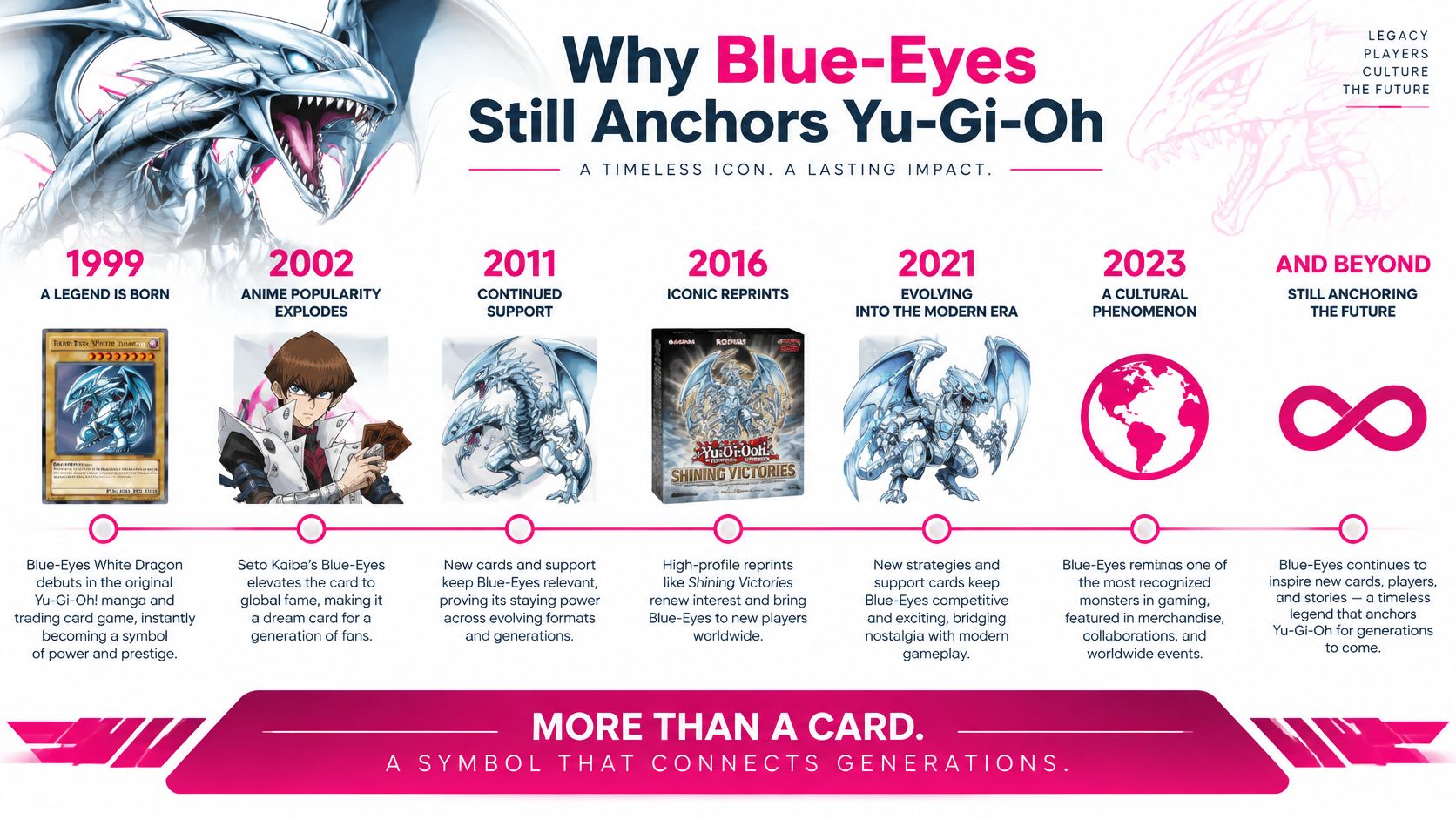
A friend can slide a white dragon from a binder, call it the Kaiba card, and quote a number from a listing. The title matches and the attack reads 3000. That still leaves the sleeve unidentified: a 2002 Ultra Rare and a later reprint can play the same monster while sitting in different markets.
On the table, the shared identity is real and narrow. The card is a Level 8 LIGHT Dragon Normal Monster with 3,000 ATK and 2,500 DEF. Those figures made it the strongest Normal Monster in the early standard pool, and the manga and anime tied it to Seto Kaiba. Play identity works like a jersey number. It tells you the role in the game and says nothing about which product left the factory.
The competitive card starts in Japan in 1999, at the beginning of the original Official Card Game era, as the Yu-Gi-Oh! card database records. English players met it in early 2002, across the first wave of TCG products rather than as one object.
Upper Deck Entertainment released Legend of Blue-Eyes White Dragon, the first English expansion, with the card as LOB-001, an Ultra Rare. Starter Deck: Kaiba then offered SDK-001. Same monster, different product: a starter copy, not a chase pull from that first booster.
The story presents only four copies as existing. That fiction built the myth, while the game later printed the card many times. The name is a family of products. A headline price borrowed from another member of the family is a weak stand-in when completed sales for the copy in hand are thin.
| Field | Value |
|---|---|
| Card type | Normal Monster |
| Level | 8 |
| Attribute | LIGHT |
| Monster type | Dragon |
| ATK / DEF | 3000 / 2500 |
| First English release | Legend of Blue-Eyes White Dragon, LOB-001, Ultra Rare, early 2002 |
Major English Printings Collectors Separate
Buyers who type only the monster's name are shopping for a crowd. Set code, edition, foil, language, and grade each change the asset, and a thin set of completed sales makes a headline asking price a poor anchor. The shared name works like a family surname: it groups the cards, and it does not make their values match.
A history-and-value write-up counted more than 50 different English-language printings. Finishes and set codes turn that count into separate products. Same dragon. Different inventory.
Check the rows in the order a buyer would use them.
Legend of Blue-Eyes White Dragon 1st Edition, LOB-001. This 1st Edition Ultra Rare, from the March 8, 2002 set, is the English copy collectors treat as the flagship. Early LOB production then splits into glossy and wavy foil. Wavy is the scarcer early foil treatment, a production choice rather than damage or a later gimmick. A raw copy and a graded copy of that same code are still different products, because grade is part of identity.
Unlimited LOB-001. Same set code, same artwork, later run. It should not inherit 1st Edition prices. If a listing drops the words "1st Edition" and still asks a 1st Edition number, the seller is selling the code, not the printing. Few sales of the true flagship make that borrowed number a weak anchor.
SDK-001. Starter Deck: Kaiba, March 29, 2002, is the other early English milestone. It is a starter copy, not the booster Ultra Rare, even though it arrived in the same month and shows the same dragon.
Later English reprints. Anniversary sets, tins, starter decks, and premium products made the card easy to own and created extra collecting tiers. Collectors still treat the original 2002 LOB 1st Edition as the flagship. A tin reprint does not borrow that status because the picture matches. The same code-first habit applies to the other early face card, a Dark Magician.
BLMM-EN001. The 2025 Battles of Legend: Monster Mayhem printing is a modern, accessible English copy. It is a recent product, separate from a 2002 original.
Practical rule: Match the physical card to one row before anyone talks about value. Matching artwork still leaves different inventory.
| Printing | Set code | Edition and finish | Why it is separated |
|---|---|---|---|
| Legend of Blue-Eyes White Dragon 1st Edition | LOB-001 | 1st Edition Ultra Rare, March 8 2002; glossy or wavy foil | Flagship English copy; wavy foil is the scarcer early treatment |
| Legend of Blue-Eyes White Dragon Unlimited | LOB-001 | Unlimited Ultra Rare | Same art and code, later run; should not inherit 1st Edition prices |
| Starter Deck Kaiba | SDK-001 | Starter copy, March 29 2002 | Early English card outside the first booster |
| Later English reprints | Many codes | Anniversary sets, tins, starters, premium products | Accessible later tiers, not the 2002 flagship |
| Battles of Legend Monster Mayhem 2025 | BLMM-EN001 | Modern English printing | Recent copy, not a 2002 original |
Identify the Exact Copy You Hold
The printed name works like a family surname. It names the monster and stops there. The Yu-Gi-Oh! card database identifies the base card as a Level 8 LIGHT Dragon Normal Monster with 3000 ATK and 2500 DEF. Those stats stay fixed across the family. Set, language, edition, rarity, artwork, and condition are what separate one copy from another and what move the price.
A headline sale is a poor anchor when sales are thin. One famous result describes that slab, on that day, in that grade. It does not price the card on your desk.
Start with one written line, the way a buyer would label a box before opening it. Example: "LOB-001, 1st Edition, English, wavy, raw." Every word in that line is part of the asset. Drop one, and you are pricing a different printing.
Run these seven checks in the order you would handle the card.
- Read the set code in the lower corner. LOB-001, SDK-001, and BLMM-EN001 are different products that share a monster.
- Look for a 1st Edition mark. An unlimited copy uses the same code and a later run. It does not share the 1st Edition printing.
- Note the language. Matching art still leaves an English LOB copy distinct from a Japanese or other regional card. Language belongs in the identity.
- Compare foil on early LOB copies. Glossy and wavy are production treatments. Wavy is the scarcer early foil. It is a finish, so it is separate from a bend or other wear.
- Read the card number and the copyright line. Both should fit the printing you think you have. A mismatch means you stop and recheck the code.
- Record raw or slabbed status. Write the grading company and the grade printed on the label. A raw card and a slabbed card with the same code are different listings.
- Write the line again from the card, not from memory. Set code, edition, language, foil, and grade or raw condition. If step 7 disagrees with your first guess, the card wins.
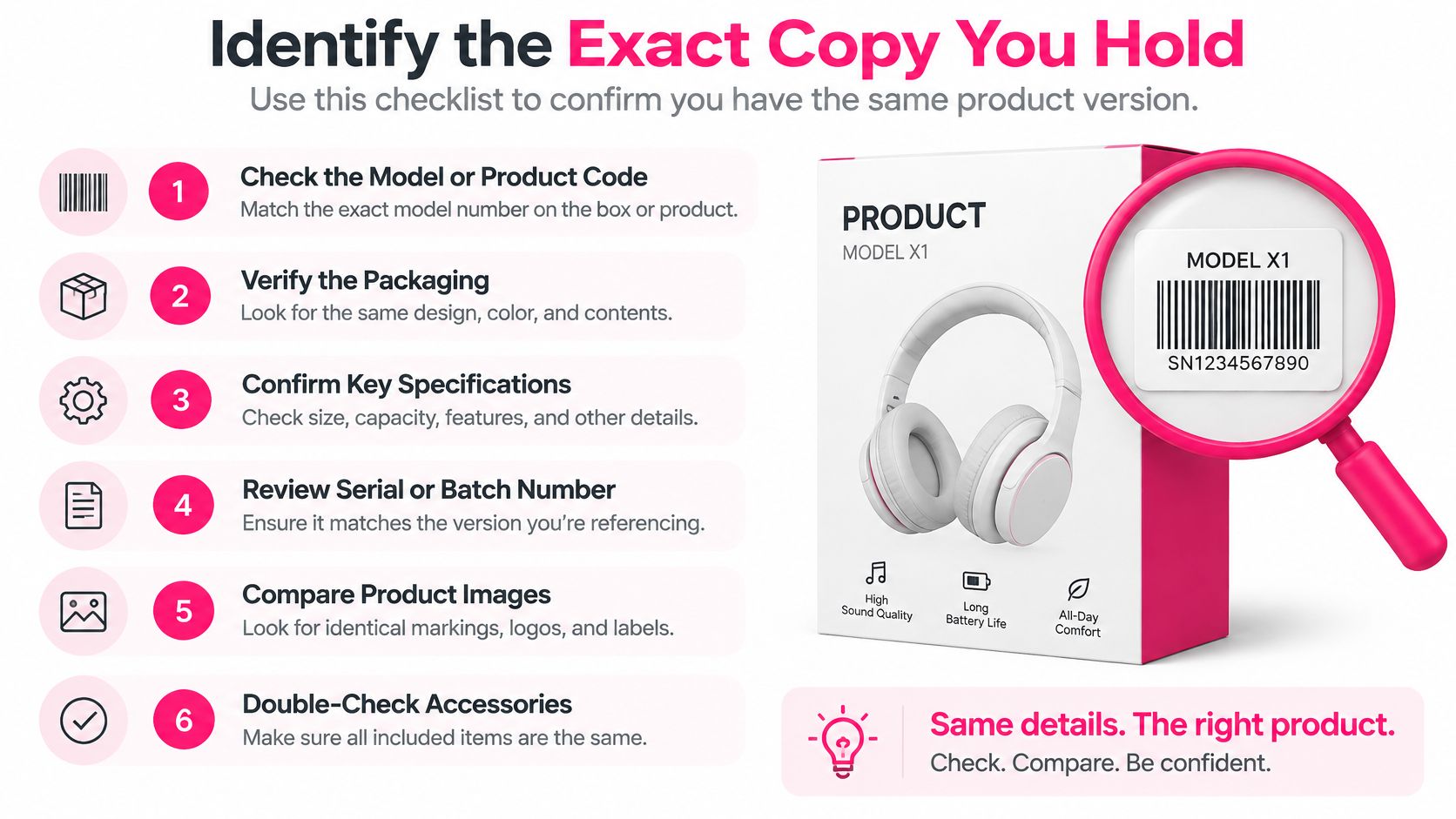
That line is the only honest starting point. The name alone is not the asset. Set code, edition, foil, language, and grade decide which copy you hold, and a thin sales history makes any single headline a weak guide for it.
Cards That Share the Name but Not the Rules
A lot of buyers assume that 3,000 ATK and 2,500 DEF plus a white dragon means they hold the original. Combat numbers won't catch the mix-up. Blue-Eyes Alternative White Dragon keeps those exact stats and still isn't the Normal Monster.
The official card database states the split plainly. Alternative cannot be Normal Summoned or Set. It must first be Special Summoned from the hand by revealing "Blue-Eyes White Dragon." While it's on the field or in the Graveyard, it's treated as Blue-Eyes White Dragon. It also adds a once-per-turn effect that destroys a monster, and it cannot attack on the turn that effect is activated.
The reveal loop
Hold the original, and Alternative turns from an unusable card in hand into a Level 8 you can deploy. After that name change, other Blue-Eyes cards can recognize Alternative as Blue-Eyes. The original is the key you reveal. Alternative is the lock that needs it. Same level, similar artwork, and matching stats don't create the same summoning rules, the same effect text, or the same market identity.
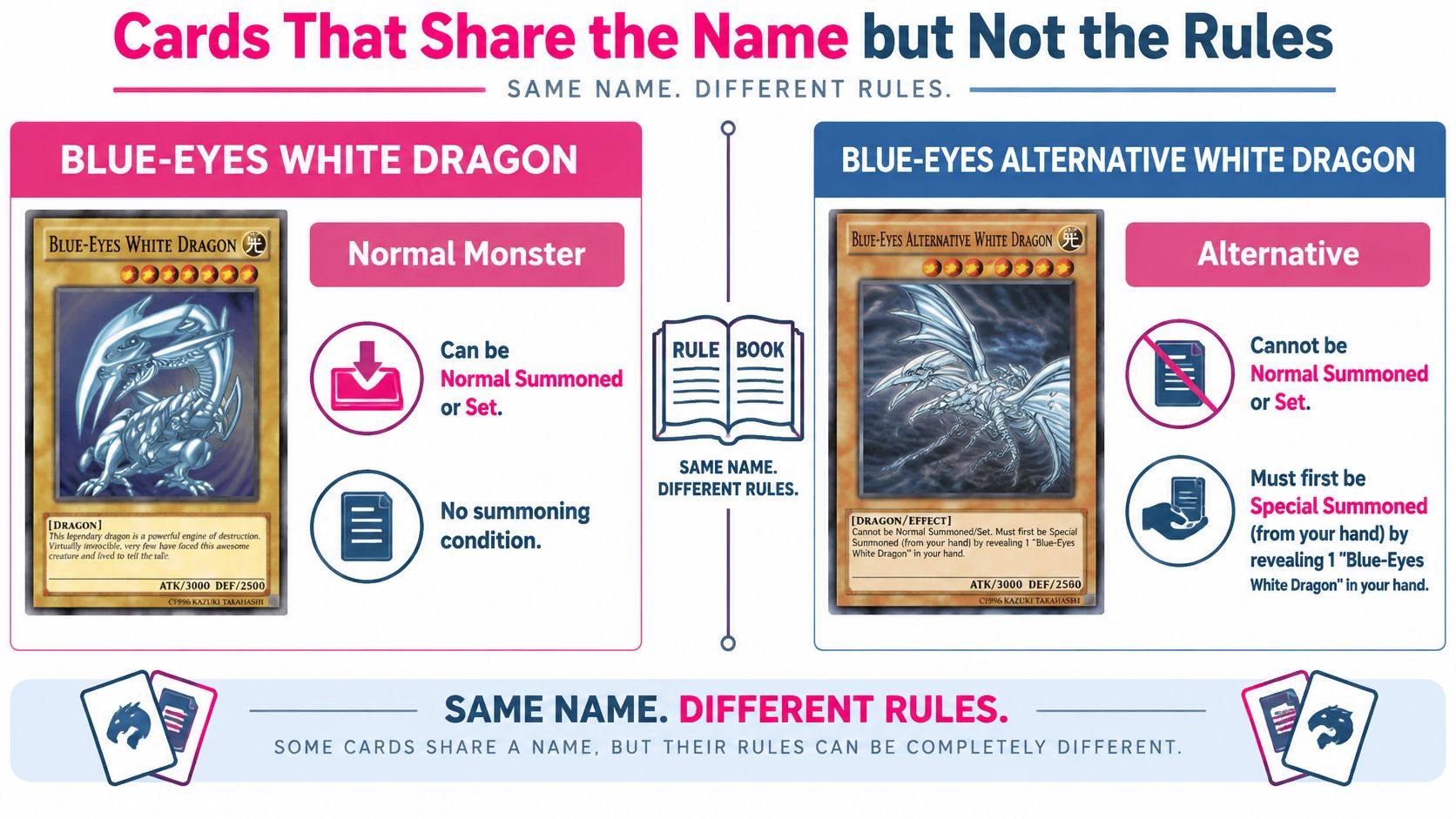
In a deck, the original still matters beyond the battlefield. It's a required reveal, a name-based support target, and a Level 8 body for high-level Extra Deck plays. In a shop listing, that game role is a warning. A seller who calls Alternative "a Blue-Eyes White Dragon" is naming the wrong product.
Other white-dragon art deserves the same caution. Read the title line and the effect box. The picture is not the card. Reject that listing before you talk about grade or price.
If the effect box isn't empty, you aren't holding the original Normal Monster, no matter how close the stats look.
Condition Clues and Authenticity Checks
Once the printing is named, the next question is what shape that printing is in. Graders don't score "how famous it looks in a top loader." They score four surfaces.
Centering is how the art sits in the frame. Early print runs often sit off to one side, and a card that looks sharp can still lose points there.
Corners show whitening, dings, and soft tips from unsleeved play. A single fuzzy corner is enough to move a vintage Ultra out of a top grade.
Edges pick up whitening and nicks along the border. Check the long sides, not only the corners you notice first.
Surface covers foil scratches, print lines, and dents. Ultra Rare foil scuffs when a card lived in a deck. A print line from the factory isn't the same flaw as a fingernail scratch, but both sit on the surface score.
A raw card can look strong in a sleeve and still lose the grade on the back, where whitening and roller marks hide. Photograph both sides, out of the sleeve, under even light.
Foil pattern versus damage
The wavy LOB foil is a recorded production variant. It isn't a bend, a crease, or "warping." If you treat that wave as damage, you'll mis-grade a scarcer early treatment and walk away from the card, or you'll underpay a seller who described it accurately. Real damage is a crease you can see as a fold, a dent you can feel, or whitening that breaks the border. Foil behavior on other cards follows the same split between factory finish and wear, which is why a foil trading card needs its own look before you call a mark a flaw.
What a slab actually proves
A PSA or CGC holder shows a grade and a certification number. The label still has to name the same set code and edition you already identified. A high grade on the wrong printing is a different card. A cracked case, a loose card inside the holder, or a label that doesn't match the copy you see is a reason to stop, not a bargaining chip.
Before you ship an expensive LOB copy for grading, run a buyer's pass.
- Set-code type: Letters and numbers should be crisp, not soft, doubled, or sitting in the wrong spot.
- Holo pattern: It should match that edition, including glossy versus wavy on early LOB.
- Copyright line: It should agree with known copies of that printing.
- Card stock: It shouldn't be shiny in the wrong places, wavy in a way that isn't the known foil, or thin like a color copy.
Eye checks reduce risk. They don't replace a certification number on an expensive LOB copy. A matching name isn't proof, and a slab is useful only when its label agrees with the card inside.
Completed Sales and the Buy or Sell Decision
A completed sale counts only when it matches the four-field line from identification: set code, edition, language, and grade or raw condition. Miss any field and no row below applies to your card. Asking prices, "or best offer" talk, and a photo of a different set code are not comps.
Three results that don't travel
The printed name is the family. The asset is the copy: set code, edition, foil treatment, language, and grade. Put the flagship grades next to a modern gem and read the gap.
A PSA 9 of LOB-001 and a historical PSA 10 of that same flagship code can sell far apart. The PSA 10 side is marked by thin sales, so one grade step and one scarce result can invent a number that is a poor everyday anchor. Prefer several completed sales of the same four-field line over one outlier. Treat a single PSA 10 as a historical event, not as the price your PSA 9, your raw 1st Edition, or your unlimited copy should chase.
On the modern end, PriceCharting listed a $26.00 eBay sale in 2025 for a CGC 10 of the 2025 Battles of Legend: Monster Mayhem Blue-Eyes, BLMM-EN001. A perfect grade on a new printing can be ordinary money. Unlimited copies and raw reprints sit in a wide, modest band. They do not borrow LOB figures because the art matches, or because someone typed the same card name into a search box.
| Copy | Tracked result | What it does not prove |
|---|---|---|
| LOB-001 PSA 9 | A completed PSA 9 sale, far below a scarce PSA 10 of the same code | A strong flagship grade is not a PSA 10 price |
| LOB-001 PSA 10 | A historical sale that can sit far above a PSA 9; thin sales data | One headline sale is a poor everyday anchor |
| BLMM-EN001 CGC 10 | $26.00 eBay sale in 2025 | A gem grade on a 2025 printing is not a 2002 original |
| Unlimited or later raw reprints | Usually modest and wide | Art and card name do not transfer LOB prices |
A name-only comp works like a citywide price for "a house." Same paint color, different address. The address here is the four-field line.
How to buy
Buy only from a seller who states those four fields and stands behind the card. If the listing says "Blue-Eyes White Dragon, PSA 9" and never says LOB-001 or 1st Edition, you don't have a comp and you don't have a defined product. Check the four-field line against a finished sale before you pay, the same way you'd pressure-test any card value estimate. Live breaks are a different format. You can join the action live, but a break spot is not a substitute for identifying a single you already own.
How to sell
Use the same line a buyer needs before offering real money. Write set code, edition, language, and grade or raw condition in the title, not only in a reply. Photograph front and back. If it's slabbed, show the label. If you only have one finished sale, and it's a different grade, say so instead of pricing off the outlier.
Scarcity of the name isn't scarcity of the copy. A 2025 gem at ordinary money and a thin historical PSA 10 are both real. Neither one prices the card you haven't named yet.
If you want the copy named before money changes hands, start with a seller who states set code, edition, language, and grade. Visit Lucardio Collectibles for trading cards, sealed booster boxes, and PSA graded cards, and every card is guaranteed authentic.